
Pigeon Opinion Featuring an Interview with C'batch
- Jun 16
- 4 min read
C’batch’s “Song For God” is an exercise in restraint and atmosphere, built from ambient soul textures and cinematic minimalism. The track leans into stillness, using space, tone, and slow-moving harmonic shifts to create a sense of reflection. It is designed as a meditative environment inviting your attention.
Interview with C'batch
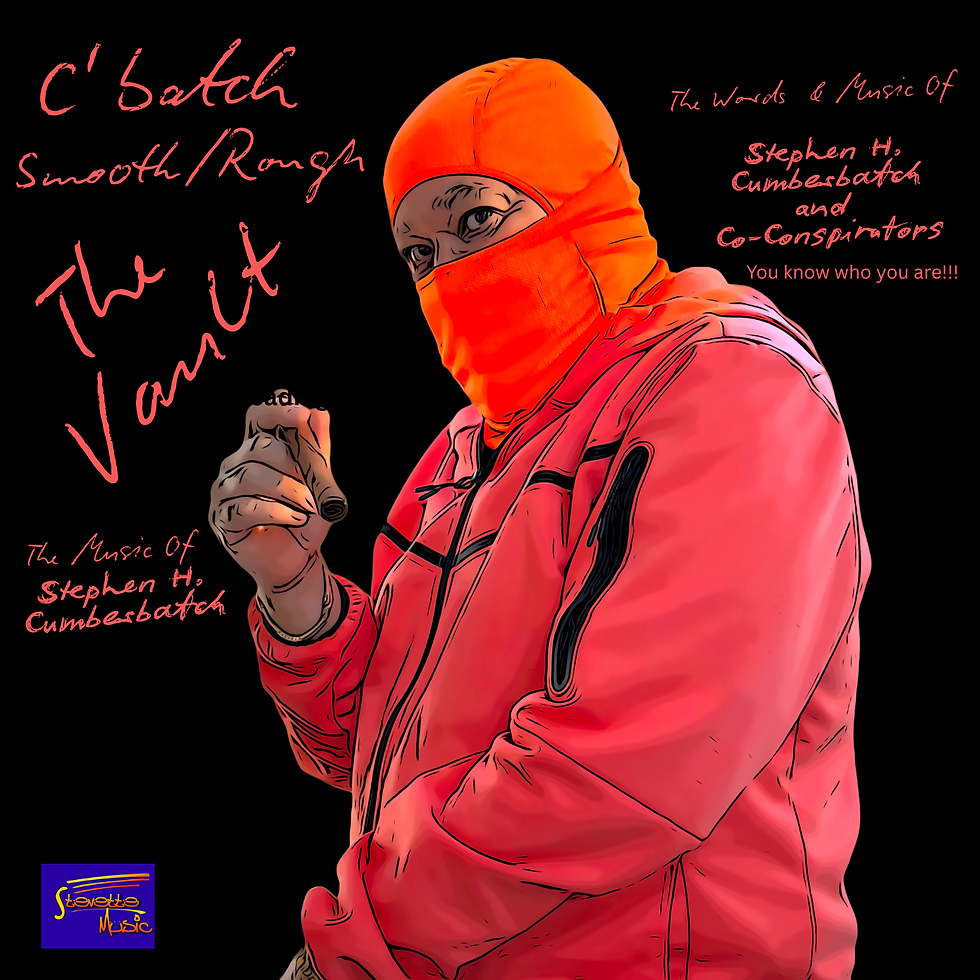
1. “Song For God” is described as intimate ambient soul — what inspired you to approach spirituality through such a minimal, cinematic sound?
It’s interesting to me that many people describe my music as ambient, because that was never a label I consciously attached to it. In truth, there wasn’t a deliberate effort to approach spirituality through minimalism or a cinematic soundscape. However, I do think much of my music naturally lends itself to that atmosphere.
For me, inspiration isn’t something that can be manufactured or strategically designed. It has to come from within the soul first — and then hopefully resonate with the listener in a meaningful way.
2. How do you define “stillness” in your music, and what role does it play in the emotional intention of this track?
I don’t think there was a specific emotional intention when the song was composed. The music simply came to me and flowed naturally. As I developed the piece, I followed the ideas and sounds I was hearing internally.
My writing process may seem a bit unconventional to some people. I usually begin with harmony layered over a groove, and from there the harmonies begin to suggest melodies in my mind. Then comes the counterpoint — multiple melodic voices moving independently.
Sometimes I actually have to stop myself from adding too many of those voices. So perhaps the “stillness” people hear comes from allowing the music room to breathe rather than overcomplicating it.
3. You’ve had a long and influential career across multiple eras of music — how does this current work reflect where you are artistically today?
Over the years, I’ve been exposed to and inspired by a wide variety of musical genres and styles. I think my current work reflects a culmination of those influences — a kind of musical mosaic shaped by everything I’ve listened to and experienced throughout my career.
At this stage artistically, I’m less concerned with fitting into categories and more focused on creating music that feels honest and authentic to me.

4. Many of your earlier credited works helped shape club, house, and electronic scenes — how does that legacy inform a more introspective piece like this?
Honestly, I’ve never really thought of my work in terms of “legacy.” If people view this piece as introspective, that interpretation is completely valid, but it wasn’t something I consciously set out to create.
“Song For God” developed very naturally during the creative process. I simply followed where the music wanted to go. For me, there wasn’t any grand concept behind it — it was just an honest musical expression unfolding in real time.
5. When shifting from high-energy production work to ambient minimalism, what changes most in your creative process?
The biggest shift is probably the energy and intensity behind the music. Highenergy production often demands a certain drive and momentum, while more minimal and atmospheric music requires a calmer, more reflective mindset.
The creative process itself remains similar, but the emotional pacing changes.
You allow more space, more restraint, and more subtlety within the music.
6. What does “presence” mean to you in the context of both music-making and listening?
From a production standpoint, I think of “presence” as part of the mastering process — the ability to elevate a mix so it gains additional clarity, depth, and spatial dimension.
But beyond the technical aspect, presence is also about connection: being fully immersed in the sound, both as the creator and as the listener.

7. Stevette Music, Inc. has been part of your journey since 1984 — how does maintaining an independent label shape your artistic freedom today?
Maintaining my independence has made me far more daring in what I choose to write and release. I feel unchained — no longer bound by industry expectations or conventional norms.
It has empowered me to deliver my music honestly and authentically to the public without compromise. I think that freedom is part of what some listeners find interesting, compelling, or even unexpected about my work today.
8. With such a broad history across genres and collaborations, how do you decide what direction a new composition should take?
I’ve never really approached songwriting with a predetermined direction in mind. When I sit down to compose, the music tends to guide me rather than the other way around.
As the piece evolves, I simply follow its natural progression. The direction reveals itself through the creative process — it’s whatever genuinely comes to me in that moment.
9. “Song For God” feels deeply personal and contemplative — was it written from a specific moment or a long-held idea?
“Song For God” was composed during a period when I was studying the guitar methods of the incredible guitarist and educator Frank Gambale. His musicianship and approach to music were deeply inspiring to me at that time. That period of study and artistic growth helped spark the inspiration for what became this beautiful piece.
10. When listeners sit with this track in silence, what emotional or spiritual space do you hope it opens for them?
I’ve honestly never overanalyzed that aspect of it, but hopefully it creates a positive space for the listener. Perhaps it offers an opportunity to slow down, reflect, and unwind. Ultimately, I think each listener brings their own emotional and spiritual state into the experience, so the music may resonate differently depending on where they are in life at that moment.

(•)> That's all, Folks! Check out C’batch on the Pigeon Opinion Playlist