
Ivan Mudd – Getaway Car
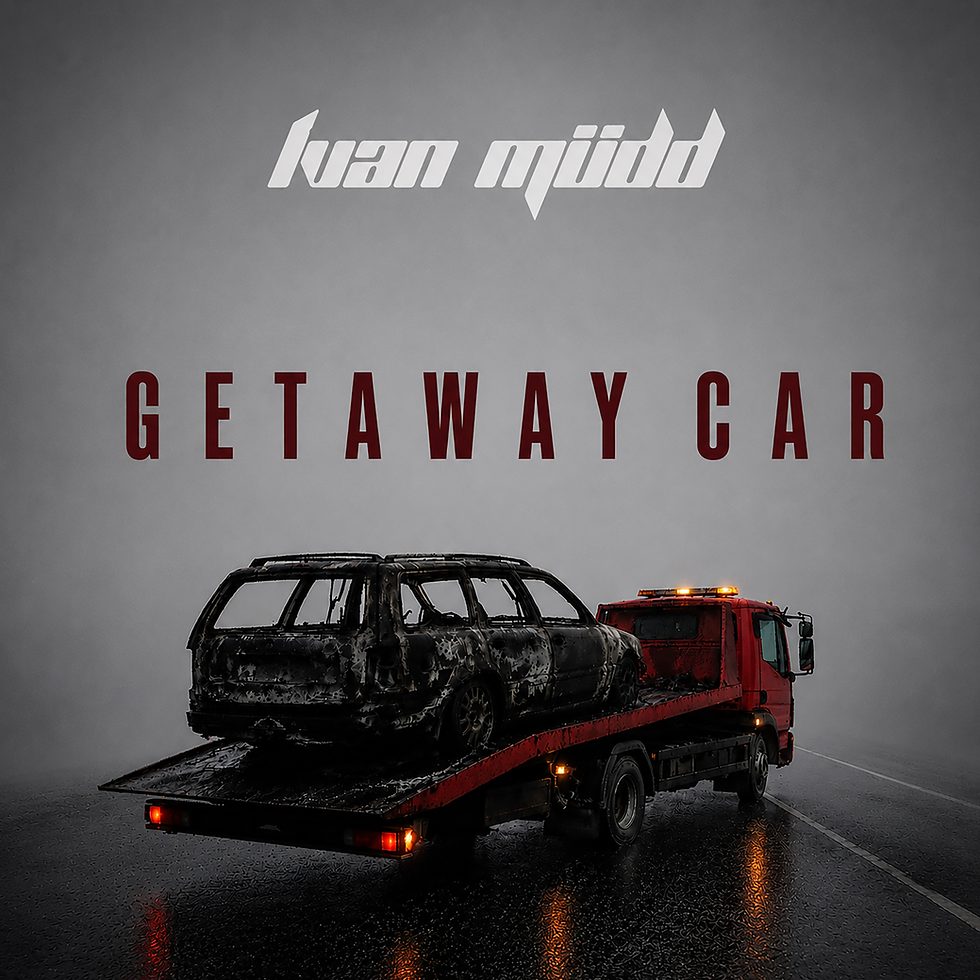
I love how Ivan Mudd bring together the melodic punch of classic powerpop and the scruffier, less disciplined energy of punk rock on “Getaway Car.” The fuzzy, overdriven guitars give the song plenty of muscle, but it's the enthusiasm for big and unapologetic choruses that really catches me! There's a pleasingly old-school quality to the whole thing, recalling the days when rock bands could be loud and reckless. I also appreciate the band's commitment to storytelling beyond the music. Their fictional universe gives “Getaway Car” an extra dimension, although those guitars are more than capable of doing that going to infinity and beyond.
Interview
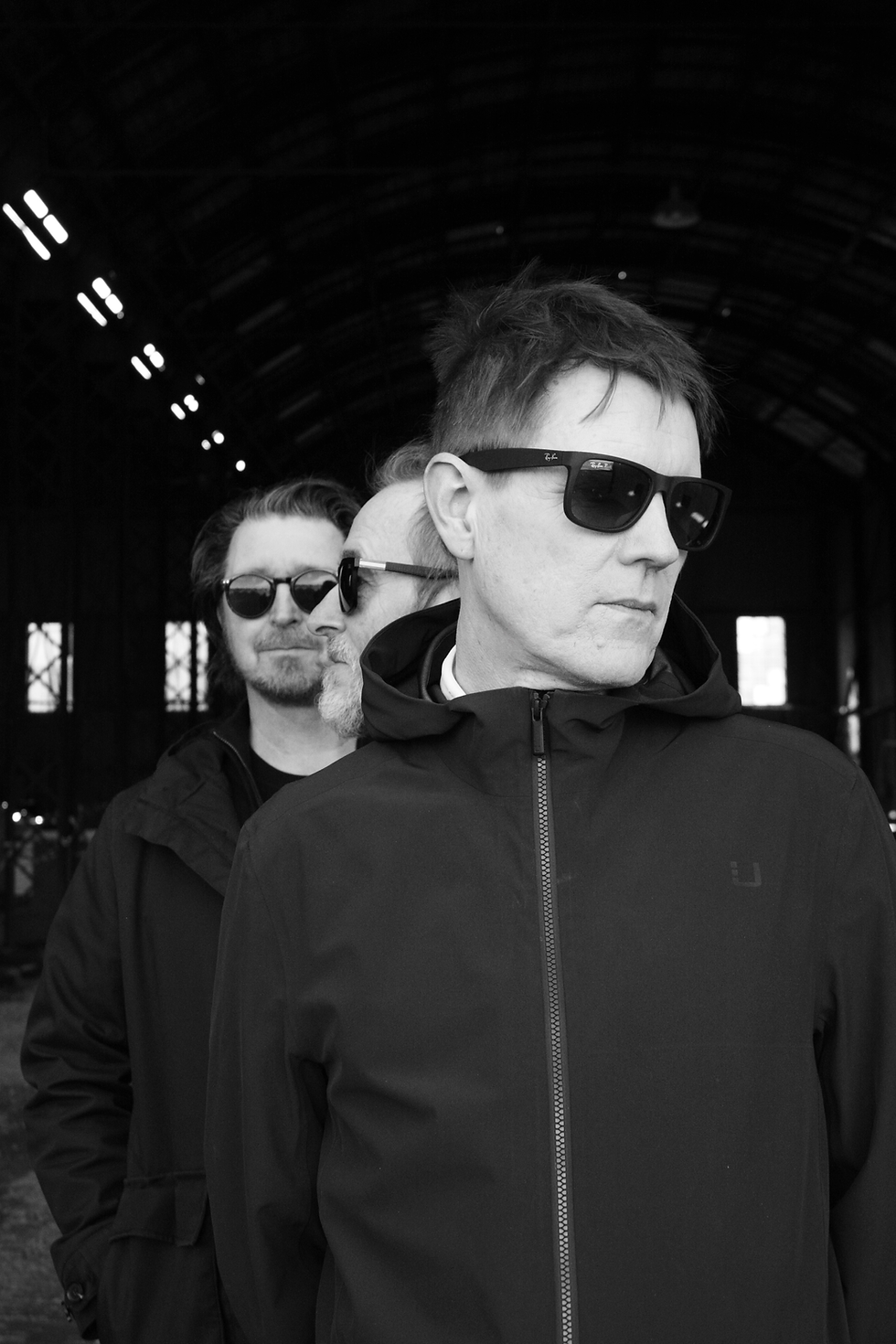
“Getaway Car” is built around big melodies, fuzz and a punk edge. What came first when you wrote it?
The chorus came first. It had a kind of glam-rock vibe that we immediately liked. The funny thing about this song is that it actually ended up with two different choruses. During the recording we realised we could lift it another level by adding a new theme after the original chorus, which gave the song a slightly unusual structure.
Then, quite late in the process, we found the guitar riff that opens the track. That was probably the moment when we all thought, OK, this is one of the good ones.
2. What made “Getaway Car” the right song to introduce Tales From The Valley?
When we started talking about which song should come out first, everyone agreed on “Getaway Car”. It’s fun to play, it’s catchy, and it represents the rest of the album quite well.
There wasn’t some complicated strategic reason behind it. We basically wanted to come back with something strong and show that we still had it.
3. The album is framed as the soundtrack to a fictional TV series. When did the idea of building an entire world around the songs emerge?
Having a concept actually helps me write lyrics. I don’t have a great need to write directly about myself, but I do like writing about emotional situations. It means I can put things I’ve experienced or things I have on my mind into a completely different story.
I also like the challenge of making something that feels thought through and connected. We’ve had a lot of funny conversations about what happens in this imaginary TV series, and the more The Valley has taken shape, the more ideas it has generated. Characters lead to new situations, locations suggest new stories, and suddenly one song connects to another.
I like an album having an arc — something that makes the whole thing feel bigger than a collection of individual tracks.
4. How do you write a powerpop song that also has to serve a larger storyline?
The song still has to work first. I never want someone to need a plot summary before they can enjoy it. It has to have a strong melody, a chorus and an emotion that works on its own. The story is another layer you can discover if you want to dig deeper.
When I first write the songs, the vocals are usually full of nonsense words and temporary lyrics anyway. Then comes the difficult part: finding actual words that fit the melody, sound natural when sung, and at the same time say something that belongs in the larger story. That can take a lot longer than writing the music.
5. What can the cinematic video series reveal about the characters that the music alone can’t?
The songs can give you the emotions and fragments of the story, but the videos let you see who these people actually are — how they look, where they live, who they’re connected to and what kind of world they move through.
And maybe most importantly, they show you the vibe of The Valley. The locations and atmosphere have become almost as important as the characters. There are details in that world that would be impossible — and probably very boring — to explain in a three-minute song.
6. You’ve made concept albums before, including the Alien Abduction Trilogy. What did you want to approach differently this time?
I really enjoyed making the Alien Abduction Trilogy, but we didn’t want to continue that story forever. Even back then, though, the aliens and UFOs were partly metaphors for feeling alienated — not quite fitting in anywhere and looking at the world from the outside.
After those albums I more or less lost my fascination with UFOs, so Tales From The Valley reflects some of the things I’ve become obsessed with since. I’ve watched and read a lot of true crime over the last few years, and I became interested in writing from the point of view of the people who are usually somewhere on the margins of those stories — the small-time losers, outsiders and people who never quite manage to get their lives together.
The starting point was small-town life. All three of us come from small towns, and there’s a lot to draw from: feeling like an outsider, gossip, pressure to conform, stories that never disappear, things becoming exaggerated over time, and dreams that seem much bigger than the place you’re living in. All of us eventually moved away from our hometowns, so there’s plenty of lived experience we can pull from without literally writing autobiographical songs.
Gradually the small town became a valley, and this whole environment started growing around it — populated by outsiders, petty criminals, dreamers and people who feel stuck.
There’s a lot of escape, longing and anger in Tales From The Valley. Many of the characters want something more from life, but somehow never quite manage to get out.
7. After the band’s long hiatus, what did returning to the original trio change about the way you make music together?
We already had a way of working together that suited us, so once we started again it came back surprisingly quickly. When we realised we were heading towards another concept album, we basically just followed the same process we had ten years earlier. In many ways it felt like continuing from where we stopped.
For me, the creative process itself is probably the strongest motivation. It isn’t necessarily playing as many shows as possible or releasing the maximum number of songs. I like building something, working on the details and finding another layer underneath it.
So even though ten years have passed, the way we make music together hasn’t really changed very much. And I think that’s probably a good thing.
(•)> That's all, Folks! Check it out on the Pigeon Opinion Playlist